How to Calm an Anxious Dog (and Why Anxiety Gets Worse If You Wait)
Key Takeaways
- More than 70% of dogs show signs of anxiety, and it tends to worsen if ignored.
- Chronic anxiety raises cortisol, which can affect the brain, immune system, and sleep.
- Behind-the-ear rubs, pressure wraps, and daily exercise calm dogs in the moment.
- Supporting the brain with the right nutrients helps prevent overreaction long term.
- Real calm means alert and relaxed, never sedated.
Over 70% of dogs show signs of chronic anxiety, and most owners miss it until it is well established.
The early signs are small. Hiding during storms. Pacing near the door. Barking when you leave. The hard truth is that when anxiety is not addressed, it rarely stays the same. It tends to get worse.
Why Dog Anxiety Gets Worse When Ignored
Anxiety is not just emotional, it is biological. Left unaddressed, chronic anxiety in dogs can lead to:
- Elevated stress hormones like cortisol, which affect brain structure and function over time
- A weaker immune response, making dogs more prone to illness and higher vet bills
- Worsening behavior, where mild fear can turn into panic or reactivity
- Poorer sleep, lower learning ability, and a lower quality of life
That is why acting early matters so much. Calming your dog in the moment is good. Helping their nervous system stay balanced over time is better.
3 Ways to Calm an Anxious Dog Fast
1. Behind-the-ear rubs
Gentle, slow rubbing behind the ears can help activate the vagus nerve and encourage calming hormones like oxytocin. Simple, but genuinely effective when done during a stressful moment.
2. Weighted wraps or pressure vests
A snug pressure wrap mimics swaddling and can trigger a relaxation response, especially helpful during fireworks or thunderstorms.
3. Daily exercise
Regular exercise strengthens the nervous system and lowers baseline anxiety over time. Consistency is what makes it work.
These help, but they take steady effort. There is also an easier long-term angle.
The Easier Long-Term Fix: Support the Brain First
The most durable approach is to support your dog's brain so it does not overreact in the first place. Certain nutrients are studied for their role in emotional balance and a calmer stress response, including phosphatidylserine, omega-3s (EPA and DHA), thiamine, and antioxidants.
The goal is not to sedate your dog. A calm dog should still be alert and present, not groggy. This is exactly why we caution dog parents about certain sedating ingredients in our guide on whether melatonin is safe for dogs.
Early signs of dog anxiety to watch
- Hiding, trembling, or clinginess during storms or fireworks
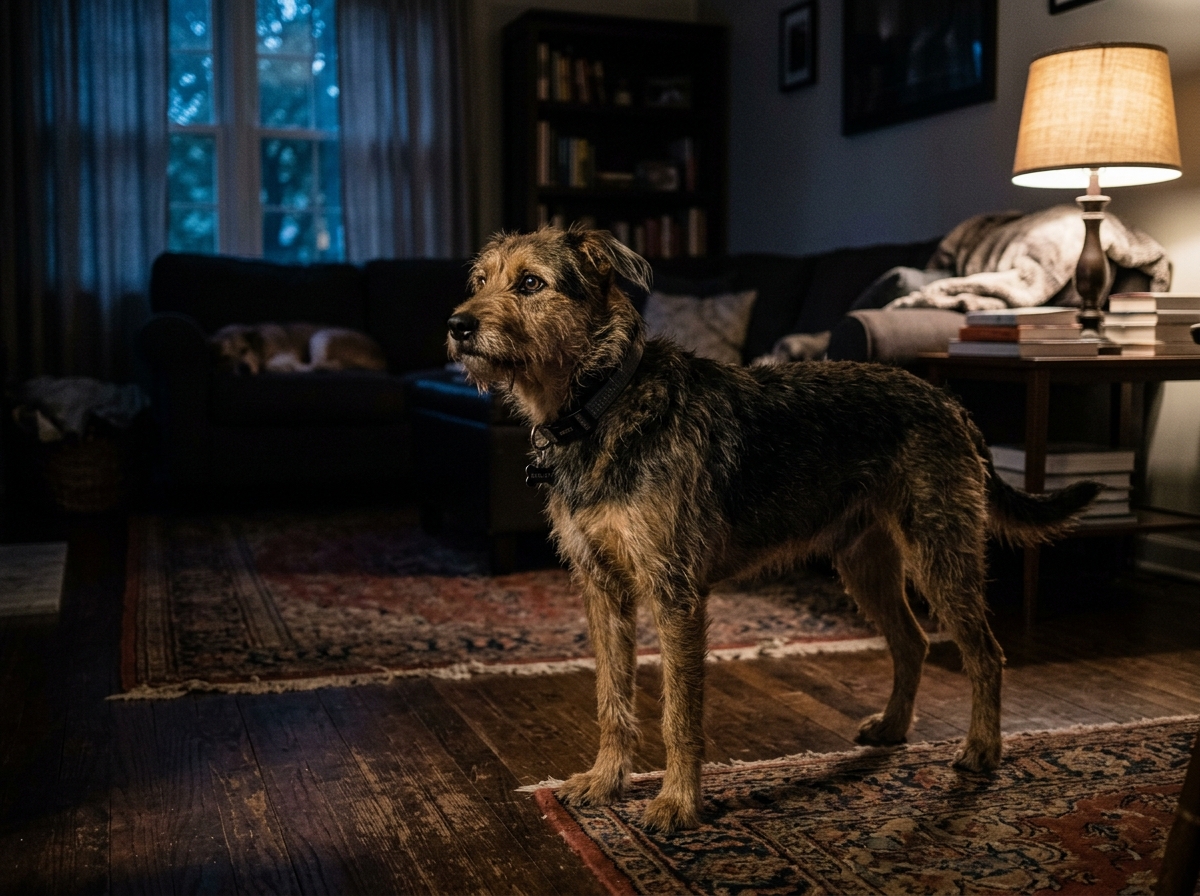
- Pacing near doors or windows, especially before you leave
- Excessive barking, whining, or destructive behavior when alone
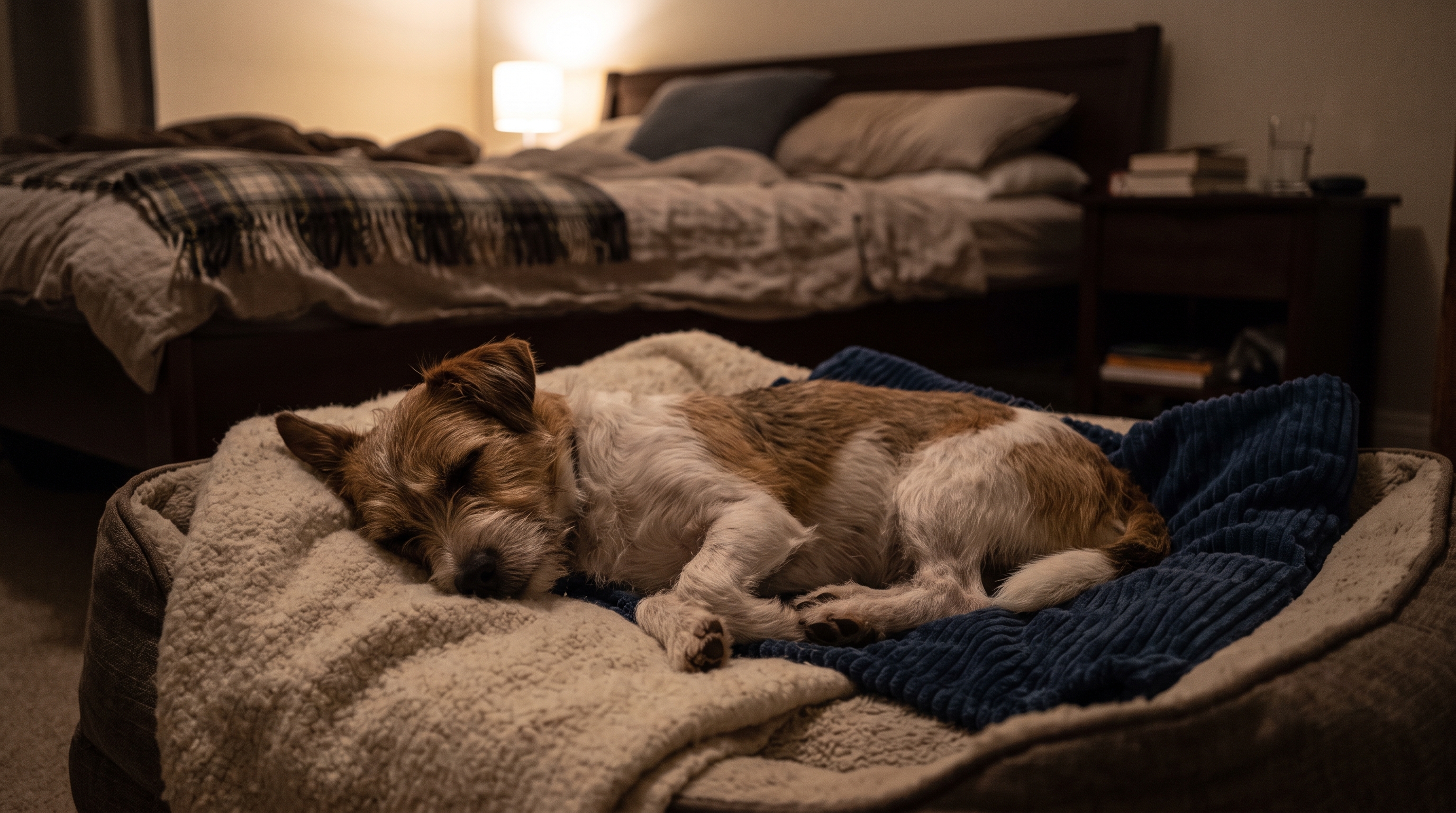
- Restlessness at night or trouble settling